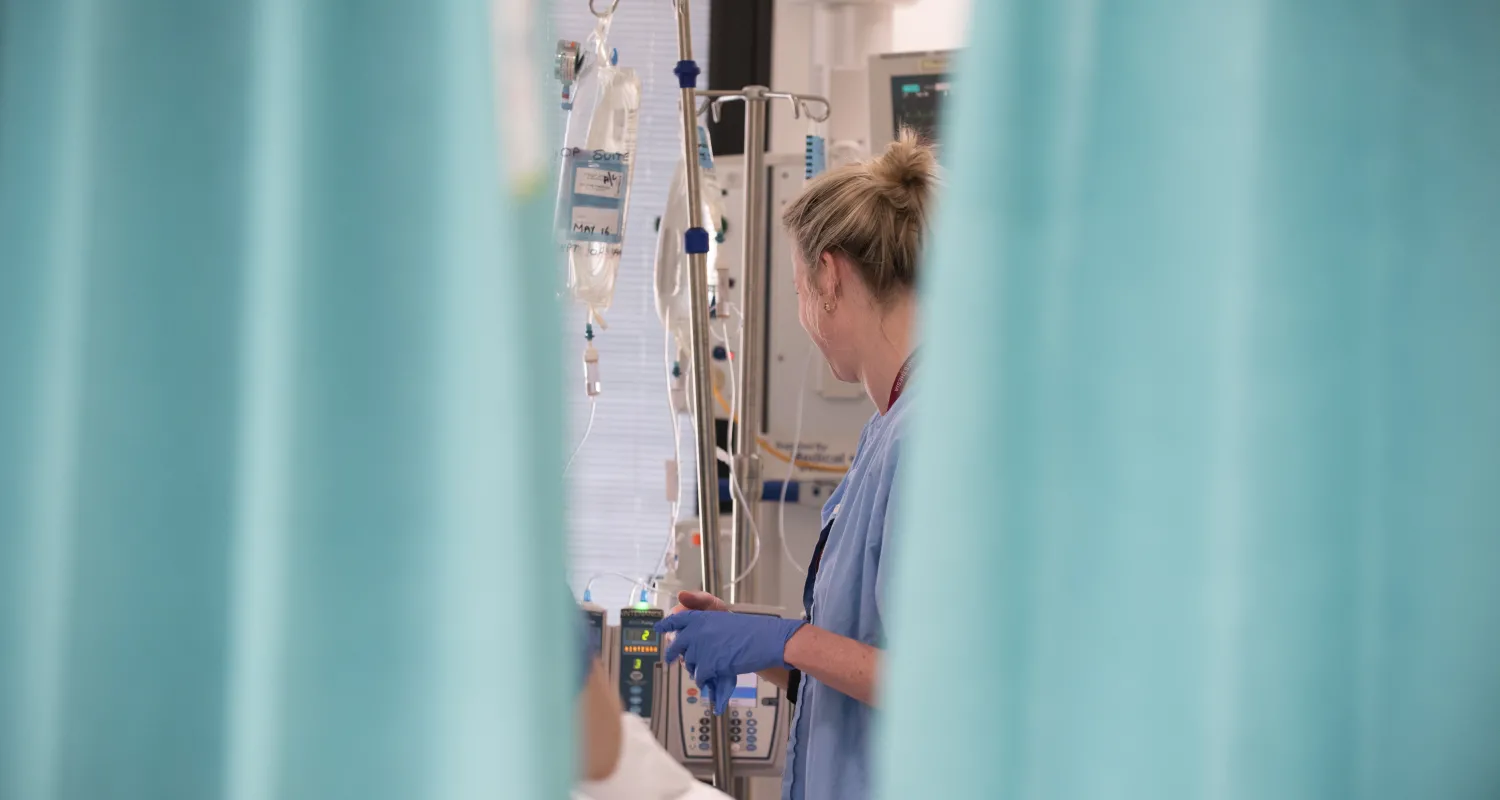
The mind and body are closely connected. Managing your mental health while coping with illness, injury or the potential loss of a loved one is not easy, but it's incredibly important.
At King’s College Hospital Charity, we’re committed to supporting patient wellbeing—including patient mental health.
With this in mind, we spoke to Dr. Joshua Roberts, Consultant Clinical Psychologist at King’s College Hospital, for practical advice and compassionate insights on how to support your mental wellbeing through difficult times.

Illness and mental health
Whether you're experiencing a sudden trauma or the onset of a long-term condition, the emotional impact can be significant. It's completely normal to feel overwhelmed, stressed, shocked or anxious when you receive a diagnosis.
"There’s often anxiety about the future—what life will look like, financial worries, responsibilities, and how illness might change your day-to-day," says Dr. Roberts.
“Low mood can also creep in when you're no longer able to do the things you love, or feel disconnected from the things that bring you joy. It can even happen as a side-effect of necessary medication.”
Hospital stays themselves can be traumatic, especially for patients in intensive care or undergoing major treatment. “People sometimes go on to develop PTSD—not just from the accident or diagnosis, but from the hospital environment itself.
"If you’ve been in the critical care unit for example, there’s a lot of very unwell and injured people, and that in itself can be a very challenging thing to be around.”
If you’ve struggled with your mental health before, illness can reactivate past trauma. “Old wounds might reopen during times of stress. So it’s important to keep an eye on your mental health and to seek support early.”
Know that there’s no right way to react
Your response to illness will be personal—and there’s no one ‘correct’ way to feel.
“You might expect to fall apart and cry, or you might expect yourself to be strong and resilient. If your reaction doesn’t match your expectations, that’s still okay. Everyone processes things differently,” says Dr. Roberts.
Manage your expectations and stick to the fundamentals
In times of stress, Dr. Roberts recommends reducing external pressures. “Lower expectations where you can—just for now—and focus on the basics. Eating, sleeping, resting. These are your foundation stones. Let go of other demands so your energy can go towards processing what’s happening.”

Be kind to yourself
Illness can bring frustration. “You might feel angry that things aren’t progressing or that your body isn’t cooperating,” says Dr. Roberts. “That’s natural. The key is to be kind to yourself along the way. Remind yourself that this is hard—and you're doing your best.”
Use gentle distractions to find comfort
Self-care can also mean creating gentle distractions. “Think back to what brought you joy before your illness—music, reading, gaming, art,” Dr. Roberts says. “Reconnecting with those interests, even in small ways, helps bring back a sense of normality.”
For children and young people, this can mean access to playrooms, video games, or craft activities on paediatric wards. “It might seem basic, but these things can be powerful when everything else feels out of your control.”
Take control where you can
Hospital environments can feel disempowering, so finding small ways to regain a sense of agency can make a difference.
“Try to take control where it’s possible,” says Dr. Roberts. “If you know you have physio tomorrow, plan a playlist for after. Choose a favourite snack. Decide which show to watch. These moments of control help remind you of your power.”
Connect with others
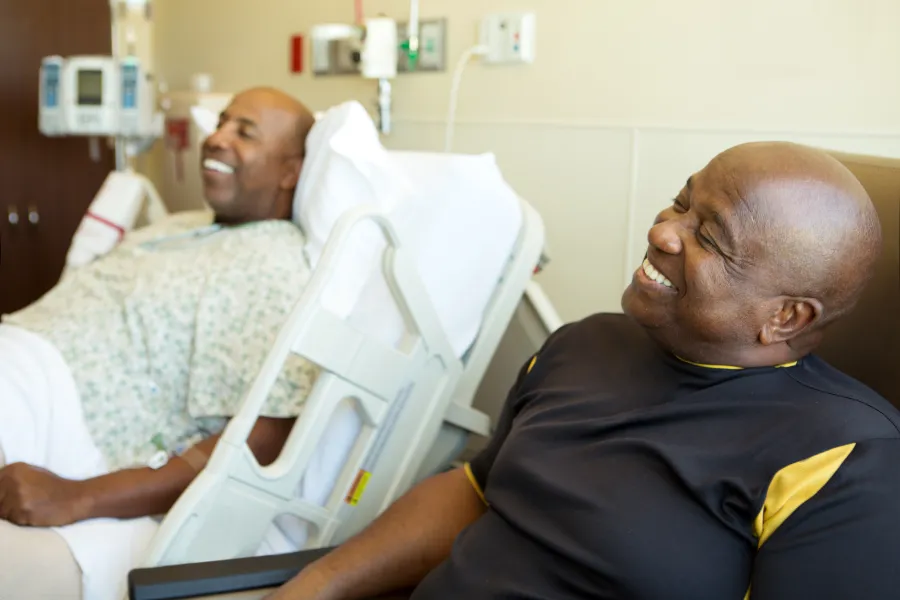
It’s okay to ask for help—whether it’s emotional, practical, or simply having someone sit with you.
“Reaching out can be daunting, especially if vulnerability is new to you,” Dr. Roberts explains. “But connection matters. Talk to staff, peers, friends—whoever you trust. You’re not alone.”
Take a moment for mindfulness
Mindfulness helps anchor you in the present when your thoughts race ahead to “what ifs.”
“It’s easy to spiral into the future when you or a loved one has received a diagnosis. But try to return to the here and now. Ask yourself: What have I achieved today? What is going well? Is there a piece of music, a scent, or breathing exercise that grounds me?”
Even brief moments of mindfulness can break the cycle of anxiety and give you space to breathe.
Reach out if things are difficult
If you're struggling, don’t hesitate to seek support. “Talk to a staff member, friend or family member. King's also offers psychological services for patients,” says Dr. Roberts. “Help is here.”

Understand the link between body and mind
Understanding the link between mental and physical health is crucial.
“Our minds and bodies are completely connected. If you’ve become unwell or injured in a difficult or shocking way, it’s understandable that you’d find things difficult mentally too.”
If you’re struggling mentally, it can be more difficult to recover physically—and vice versa,” explains Dr. Roberts.
“In trauma patients, we often see that psychological distress can delay or block physical rehabilitation.”
Understanding what’s happening in your mind—such as a fight-or-flight response, or feelings of depression—can help you begin to manage those symptoms. “Knowledge is power. Once you understand the ‘why,’ things become much easier to deal with.
Know how to communicate
When someone is ill, conversations can be difficult. There’s often a fear of saying the wrong thing, and some people skirt around the issue at hand. But communication, when done with sensitivity, can be healing.
“The best approach is to be led by the person who’s unwell,” says Dr. Roberts. “You might ask: ‘Do we want to talk about this today, or do you need a distraction?’ That permission-giving helps people feel safe to share—or not share—what they’re feeling.”
And if you’re the one who’s ill, it’s okay to express what you need: ‘I just want to laugh today’ or ‘I really need to talk about what this means for me and my future.’
Caring for others? Don’t forget to care for yourself too

Caring for someone else can take a toll on your own mental health—especially over time.
“There’s a natural impulse to put yourself last when someone’s ill– to lay down everything else and be there for them. While that’s wonderful and beautiful in so many ways, know that your wellbeing matters, too,” says Dr. Roberts.
“If you burn out, you won’t be able to support your loved one in the way you want.”
Practise your own self-care and reach out to others for support. “Remember, you’re part of a system. While you’re taking care of someone, you need someone looking out for you, too.”
It’s also important to acknowledge the emotional weight you might carry. “People often worry they’re not doing enough. But your presence—reading with someone, playing a game, simply being there—is powerful. And it’s more than enough.”
Finally, be alert to the warning signs of burnout: exhaustion, withdrawal, feelings of guilt or helplessness. “When you spot them, it’s time to ask for help.”
If you’re struggling emotionally during a time of illness—whether your own or a loved one’s—please know you’re not alone. Psychological support is available at King’s College Hospital, and we encourage anyone finding things difficult to reach out.
Your mental health matters. And help is here.
King’s College Hospital Charity is proud to fund projects that support the mental wellbeing of patients and their families. From refurbishing spaces to create more calming environments, to providing PlayStations, toys and sensory screens for children, to improving green spaces and bringing nature into the hospital—we’re working to make hospital care more compassionate and comforting.
Read more about the projects we fund—and how you can help make a difference – below.